The oat, a cereal grain belonging to the genus Avena, has long been recognized for its agricultural and nutritional importance across various cultures. From David Herbert Lawrence’s poetic portrayal of oat fields as “whispering” and “sweet-scented” in The White Peacock to P. T. Ross’s practical descriptions of oat hay in A Yeoman’s Letters, the theme highlights both its functional value and symbolic meaning.
Richard Folkard imbued oats with a sense of magic in Plant Lore, while P. L. Simmonds examined their role in agricultural economics. Nutritional works such as Florence Daniel’s Food Remedies emphasized their nourishing qualities, presenting oats as essential for bodily well-being. This dual nature—as both a crop and a symbol—demonstrates the oat’s lasting significance in human life and imagination.
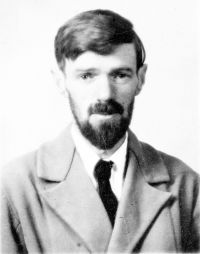 David Herbert Lawrence,
The White Peacock
(1911)
David Herbert Lawrence,
The White Peacock
(1911)