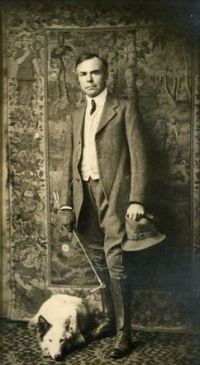
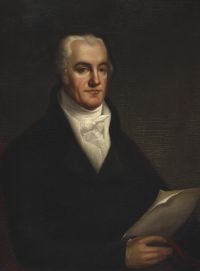
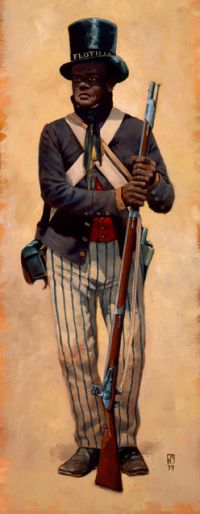
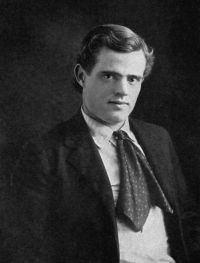
The term "husk" refers to the dry, protective outer layer of certain plants, particularly corn, acting as a shield for the edible kernel inside. Writers have long examined this motif, from Emerson Hough’s description of corn’s transformation beneath its husk to Melville Davisson Post’s vivid depiction of the manual removal of husks as both labor and ritual.
Charles Ball contrasts the husk’s function as shelter for a fugitive, while Lafcadio Hearn uses it metaphorically to evoke fleeting beauty. These diverse viewpoints highlight the husk’s dual nature—as a practical feature and a symbol of concealment, growth, and impermanence—interwoven with themes of sustenance and natural cycles.
 Emerson Hough,
The Mississippi Bubble
Emerson Hough,
The Mississippi Bubble