Concealment, the act of withholding information, has long been a subject of ethical and philosophical debate, seen variously as a moral duty, a potential deception, or a necessary strategy. H. Clay Trumbull frames it as a legitimate human responsibility, comparable to honesty, arguing that its morality depends on intent—rightful secrecy differs from falsehood. Edward Bellamy, by contrast, criticizes concealment as morally damaging, promoting transparency as a route to ethical clarity.
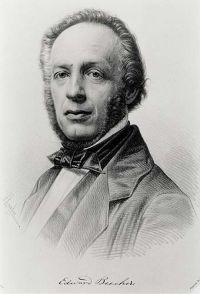
Ralph Waldo Emerson rejects it entirely, claiming that "there is no such thing as concealment," while Edward Beecher challenges its role in secret societies, where it may take advantage of human weaknesses. These viewpoints, ranging across ethics, literature, and law, highlight concealment’s complex duality: a means of protection or a cover for misdeeds, its validity dependent on context and aim.