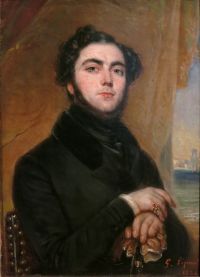
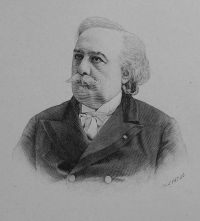
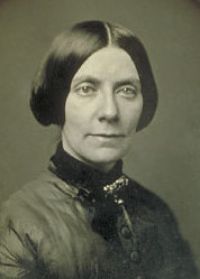
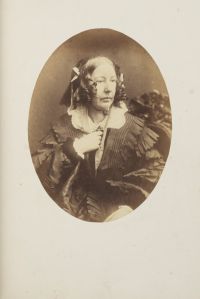
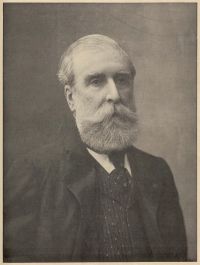
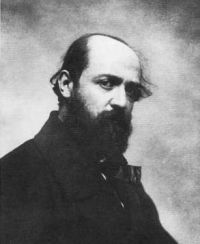
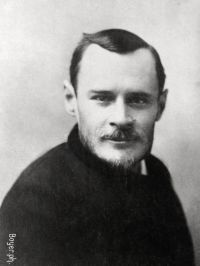
The literary concept of "Marcel" emerges as a recurring figure in 19th-century fiction, embodying themes of passion, moral struggle, and emotional depth. Authors such as George Tracy Marsh, Eugène Sue, and Hector France portray Marcel through varied perspectives: as a contemplative outsider in snowy settings, a zealous champion of justice, or a conflicted priest wrestling with longing.
These depictions emphasize his role as a vehicle for examining human frailty and social tensions. Meanwhile, his relationships with characters like Françoise and Guérin, as well as connections to themes such as "Fleur" and "Rodolphe," illustrate Marcel’s position as a focal point of emotional and ethical conflict, mirroring the period’s concerns with selfhood and atonement.