Jean

Definition and stakes

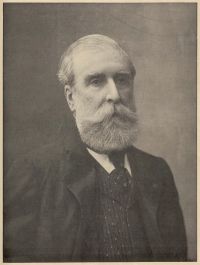
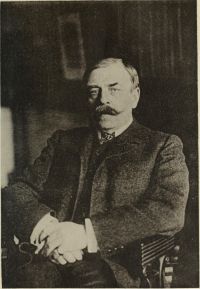
Portrait of Frank L. Packard Frank L. Packard,  The Belovéd Traitor

“ France had claimed Jean. He was to be a famous man. Did they not all talk of his glorious future? It was different with Jean—years ago even she had known that. She herself had told him he was different from the fishermen of Bernay-sur-Mer. Jean was born to the life that he was going to. Was he not even now taking his place amongst these great strangers as though he had been accustomed to do so always? And she, if she should try to do it, they would laugh at her, and she would bring ridicule upon Jean, and she could not do what Jean could do. ”
Source: Gutenberg

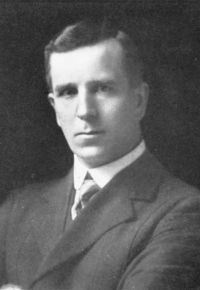
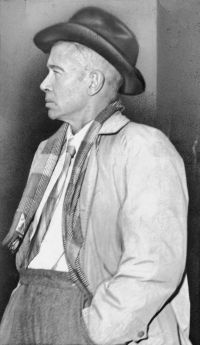
Portrait of e. e. cummings e. e. cummings,  The Enormous Room — JEAN LE NÈGRE (1922)

“ From that in stant till the day I left him he was the old Jean—joking, fibbing, laughing, and always playing—Jean L'Enfant.
And I think of Jean le Nègre ... you are something to dream over, Jean; summer and winter (birds and darkness) you go walking into my head; you are a sudden and chocolate-coloured thing, in your hands you have a habit of holding six or eight plantons (which you are about to throw away) and the flesh of your body is like the flesh of a very deep cigar.
”
Source: Wikisource

International Short Stories: French

“ Jean is old. He sits upon his stone seat beside the well, under the lace-like shade of the olive tree, in front of his empty field, all the soil of which is good clay but which no longer produces either raspberries or roses.
Jean said formerly: “There are three things: roses, raspberries, lips.”
All the three have forsaken him.
The lips of the young girls, and even those of the children, have become scoffing.
“Ah, Father Jean! Do you live like the grasshoppers? Nobody ever sees you eat, Father Jean! Father Jean lives on cold water. The man who grows old becomes a child again!
”
Source: Gutenberg

Get perspective with Kwize: daily news enlightened by great literature