Puritanism

Definition and stakes

R. H. Tawney,  Religion and the rise of capitalism (1926)

“ If the inward and spiritual grace of Puritanism eludes the historian, its outward and visible signs meet him at every turn, and not less in market-place and counting-house and camp than in the student’s chamber and the gathering of the elect for prayer. For to the Puritan, a contemner of the vain shows of sacramentalism, mundane toil becomes itself a kind of sacrament. Like a man who strives by unresting activity to exorcise a haunting demon, the Puritan, in the effort to save his own soul, sets in motion every force in heaven above or in the earth beneath. ”

Source: Gutenberg

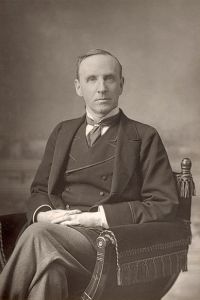
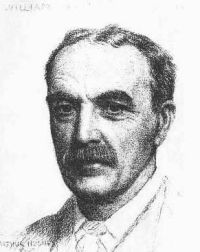
Portrait of Matthew Arnold Matthew Arnold,  St. Paul and Protestantism, with an Essay on Puritanism and the Church of England

“ And as the instinct of the Church always made her avoid, on these three favourite tenets of Puritanism, the stringency of definition which Puritanism tried to force upon her, always made her leave herself room for growth in regard to them,—so, if we look for the positive beginnings and first signs of growth, of disengagement from the stock notions of popular theology about predestination, original sin, and justification, it is among Churchmen, and not among Puritans, that we shall find them. ”
Source: Gutenberg

Portrait of Matthew Arnold Matthew Arnold,  St. Paul and Protestantism, with an Essay on Puritanism and the Church of England

“ But, meanwhile, Puritanism will not contribute to the common growth, mainly because it believes that a certain set of opinions or scheme of theological doctrine is the gospel; that it is possible and profitable to extract this, and that Puritans have done so; and that it is the duty of men, who like themselves have extracted it, to separate themselves from those who have not, and to set themselves apart that they may profess it purely. ”
Source: Gutenberg

Get perspective with Kwize: daily news enlightened by great literature