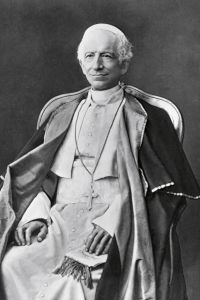
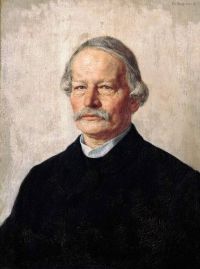
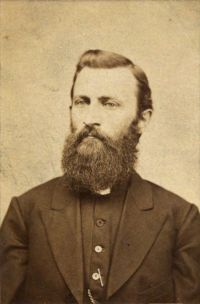
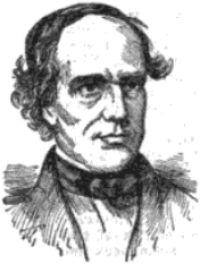
The laity, defined as non-clergy members of religious communities, includes all baptized individuals who are not ordained in Christian traditions or involved in monastic life. Historically, they were viewed as passive recipients of spiritual direction, but contemporary perspectives highlight their active involvement in sanctifying the secular world. Authors such as Robert Alfred Vaughan emphasized their affirmation of Christian identity, while Leo XIII encouraged their engagement in spreading the faith.
Janet Erskine Stuart described their collaboration with clergy as crucial, and Thomas M. Lindsay stressed their spiritual parity. Transitioning from passive followers to dynamic promoters of faith, the laity’s changing role illustrates a tension between institutional authority and personal responsibility, evident in both Catholic and Protestant settings.
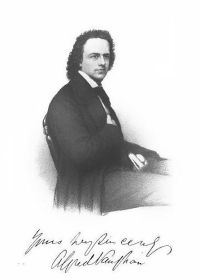 Robert Alfred Vaughan,
Hours with the Mystics: A Contribution to the History of Religious Opinion
(1893)
Robert Alfred Vaughan,
Hours with the Mystics: A Contribution to the History of Religious Opinion
(1893)