Iconoclast

Definition and stakes

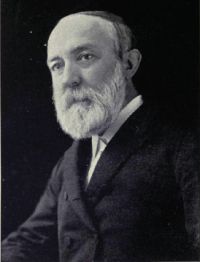
T. W. Allies,  Peter's Rock in Mohammed's Flood…

“ The single patriarch had himself become a despot in wielding the tyranny of the civil despot as his chief instrument. These six ecumenical patriarchs wielded their authority under Iconoclast emperors for a long time: Anastasius I. from 730 to 753; Constantine II. from 754 to 766; Nicetas I. from 766 to 780; then an orthodox sovereign brought with him an orthodox council. The patriarch Tarasius and union with the West might seem to have secured a deliverance from a renewed reign of the Iconoclast violence. On the contrary, three succeeding patriarchs, Theodotus from 815 to 821 ”
Source: Gutenberg

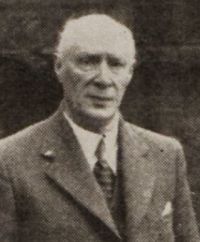
Portrait of H. L. Mencken H. L. Mencken,  Prejudices: Fourth Series (1924)

“ Of a piece with the absurd pedagogical demand for so-called constructive criticism is the doctrine that an iconoclast is a hollow and evil fellow unless he can prove his case. Why, indeed, should he prove it? Doesn’t he prove enough when he proves by his blasphemy that this or that idol is defectively convincing—that at least one visitor to the shrine is left full of doubts? The fact is enormously significant; it indicates that instinct has somehow risen superior to the shallowness of logic, the refuge of fools. ”
Source: Gutenberg

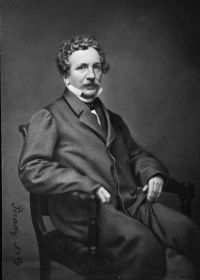
Portrait of Edward Gibbon Edward Gibbon,  History of the Decline and Fall of the Roman Empire…

“ His religious inconstancy was taxed by the epithet of Chameleon, but the Catholics have acknowledged by the voice of a saint and confessors, that the life of the Iconoclast was useful to the republic. The zeal of his companion Michael was repaid with riches, honors, and military command; and his subordinate talents were beneficially employed in the public service. Yet the Phrygian was dissatisfied at receiving as a favor a scanty portion of the Imperial prize which he had bestowed on his equal ”
Source: Gutenberg

Get perspective with Kwize: daily news enlightened by great literature