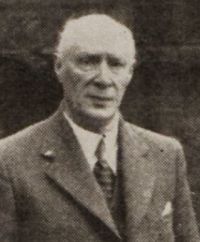
Lewis Spence

Lewis Spence

Summary

Portrait of Lewis Spence Lewis Spence The gods of Mexico (1923)

Not only does it abound in valuable evidences for the enrichment of the study of religious science and tradition, but by degrees its astonishing beauty of colour and wealth of symbolic variety will appeal to the student with all the enchantment of discovery. The echoes of the sacred drum of serpent-skin reverberating from the lofty pyramid of Uitzilopochtli, and passing above the mysterious city of Tenochtitlan with all the majesty of Olympic thunder, will seem not less eloquent of the soul of a vanished faith than do the memories of the choral chants of Hellas.
Source: Gutenberg

Portrait of Lewis Spence Lewis Spence The gods of Mexico (1923)

It is not surprising that the Valley of Mexico became the centre of a cult of which the appeal for rain was the salient characteristic. A copious supply of rainfall for the purposes of irrigation is, indeed, a necessity to the Mexican agriculturist, and a dry year in ancient Anahuac brought with it famine and misery unspeakable. Inexpressibly touching are the fervent prayers to Tlaloc, god of water, that he should not visit his displeasure upon the people by withdrawing the pluvial supply.
Source: Gutenberg

Portrait of Lewis Spence Lewis Spence The gods of Mexico (1923)

The first youth at the top seized the idol of dough, took the shield and the arrows, the darts and the tamalis from the head of the statue, then threw the crumbs with the plumes of the image down into the crowd, who fought and scrambled for them. When the successful youth descended from the pole with the weapons of the god, he was received with acclamations and carried up to the teocalli Tlacacouhcan, to receive jewels and a rich mantle which no one else might wear, and the honour of being carried to his house by the priests, amid the music of horns and shells.
Source: Gutenberg

Get perspective with Kwize: daily news enlightened by great literature