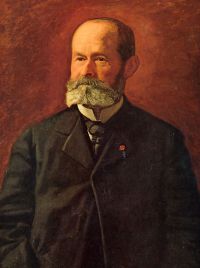
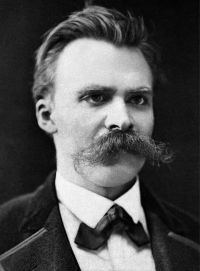
Cult, derived from the Latin cultus, meaning "care" or "cultivation," refers to the ritualized devotion to deities, individuals, or abstract ideals, expressed through ceremonies, offerings, and shared practices. This concept goes beyond passive admiration, highlighting active participation in the sacred. Émile Durkheim emphasized its emotional impact, pointing out how cults generate feelings of joy and peace as visible expressions of belief.
Wilhelm Wundt associated ancient cults with the heroic age, viewing them as manifestations of societal values, while Friedrich Nietzsche recognized their lasting effect on human psychology. Meanwhile, The Urantia Book viewed ancient cults as early human efforts to control the material world through ritual. These viewpoints illustrate cult as a dynamic interaction of faith, social organization, and existential significance, grounded in both personal experience and communal heritage.
 Émile Durkheim,
The Elementary Forms of the Religious Life
Émile Durkheim,
The Elementary Forms of the Religious Life