Charles Bucke

Biographical details

Charles Bucke,  Ruins of Ancient Cities (Vol. 2 of 2…

“ Thou stranger which for Rome in Rome here seekest, And nought of Rome in Rome perceiv’st at all, These same old walls, old arches, which thou seest, Old palaces, is that which Rome men call. Behold what wreck, what ruin, and what waste, And how that she which with her mighty power Tamed all the world, hath tamed herself at last, The prey of Time, which all things doth devour. Rome now of Rome is the only funeral, And only Rome, of Rome hath victory; Ne ought save Tyber, hastening to his fall Remains of all: O World’s inconstancy! That which is firm, doth flit and fall away ”
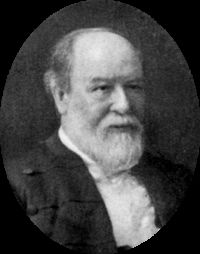
Source: Gutenberg

Charles Bucke,  Ruins of Ancient Cities (Vol. 1 of 2…

“ The whole tract appeared as a carpet of luxuriant verdure, studded by hamlets and watered by rivulets. "If the aspect of this part of the country," thought the traveller, "now presents so rich a picture, when its palaces are no more, what must it have been when Astyages held his court here; and Cyrus, in his yearly courses from Persepolis, Susa, and Babylon, stretched his golden sceptre over this delicious plain? Well might such a garden of nature's bounties be the favourite seat of kings, the nursery of the arts, and all the graceful courtesies of life." ”
Source: Gutenberg

Charles Bucke,  Ruins of Ancient Cities (Vol. 2 of 2…

“ I have stood before the Parthenon, and have almost worshipped that divine achievement of the immortal Phidias. I have been at Milan, at Ephesus, at Alexandria, at Antioch; but in none of these renowned cities I have beheld any thing, that I can allow to approach in united extent, grandeur, and most consummate beauty, this almost more than work of man. On each side of this, the central point, there rose upward slender pyramids—pointed obelisks—domes of the most graceful proportions, columns, arches, and lofty towers, for number and for form, beyond my power to describe. ”
Source: Gutenberg

Get perspective with Kwize: daily news enlightened by great literature