Syracuse

Definition and stakes

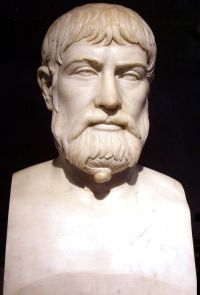
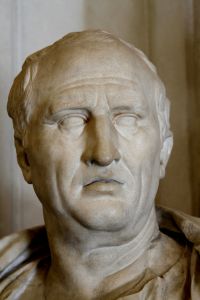
Portrait of Marcus Tullius Cicero Marcus Tullius Cicero,  Cicero's Tusculan Disputations

“ Can we call the State of Agrigentum a commonwealth, where all men are oppressed by the cruelty of a single tyrant—where there is no universal bond of right, nor social consent and fellowship, which should belong to every people, properly so named? It is the same in Syracuse—that illustrious city which Timæus calls the greatest of the Grecian towns. It was indeed a most beautiful city; and its admirable citadel, its canals distributed through all its districts, its broad streets, its porticoes, its temples, and its walls, gave Syracuse the appearance of a most flourishing state. ”
Source: Gutenberg

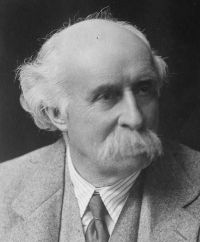
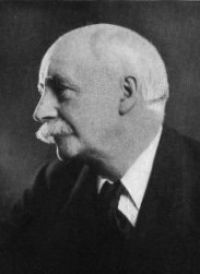
Portrait of Edith Wharton Edith Wharton,  Italian Backgrounds

“ Syracuse, girt with slopes of flowering orchard-land, lies nobly against the fortified ridge of Epipolæ. But the city itself—richer in history than any other on that crowded soil, and characteristically symbolized by its Greek temple welded into the masonry of a mediæval church—even the thronging associations of the city could not, on a day so prodigal of sunlight, hold us long within its walls. These walls, the boundaries of the Greek Ortygia, have once more become the limits of the shrunken modern town, and crossing the moat beyond them, we found ourselves at once in full country. ”
Source: Gutenberg

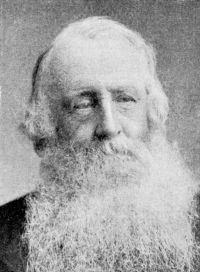
Arthur Stanley Riggs,  Vistas in Sicily

“ How they live and bear fruit at all in such astonishingly rocky fields is a mystery, yet they are proverbially prolific. They seem ghosts of dead Syracuse, phantoms of the citizens who once, in the pride of their strength and glory, trod the streets of the great pentapolis of Epipolai, Neapolis, Tyche, Achradina and Ortygia—Syracuse all. ”
Source: Gutenberg

Get perspective with Kwize: daily news enlightened by great literature