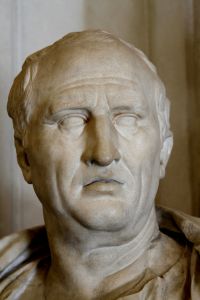
Dionysius I of Syracuse

Definition and stakes

1911 Encyclopædia Britannica, Volume 8… (1911)

Dionysius was regarded by the ancients as a type of the worst kind of despot—cruel, suspicious and vindictive. Like Peisistratus, he was fond of having distinguished literary men about him, such as the historian Philistus, the poet Philoxenus, and the philosopher Plato, but treated them in a most arbitrary manner.
See Diod. Sic. xiii., xiv., xv.; J. Bass, Dionysius I. von Syrakus (Vienna, 1881) , with full references to authorities in footnotes; articles Sicily and Syracuse.
Source: Wikisource

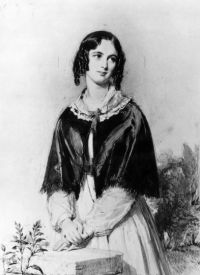
Portrait of Charlotte M. Yonge Charlotte M. Yonge A Book of Golden Deeds

This power was not according to the laws, for Syracuse, like most other cities, ought to have been governed by a council of magistrates; but Dionysius was an exceedingly able man, and made the city much more rich and powerful, he defeated the Carthaginians, and rendered Syracuse by far the chief city in the island, and he contrived to make everyone so much afraid of him that no one durst attempt to overthrow his power. He was a good scholar, and very fond of philosophy and poetry, and he delighted to have learned men around him, and he had naturally a generous spirit
Source: Gutenberg

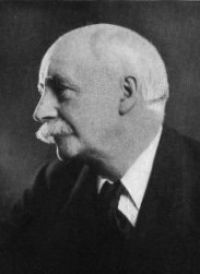
Portrait of Alfred John Church Alfred John Church Helmet and Spear

A crafty manœuvre enabled him to surround himself with a bodyguard. In the end he made himself master of the city. Ostensibly he was the chief citizen of the republic. The coins of Syracuse still bore the figure of the personified city, for Dionysius did not venture to put his own likeness upon them. But practically he was absolute. So far the success of the Carthaginian invasion had helped him. He would never [Pg 99] have risen to supreme power had it not been for the terrible disasters which had overtaken Agrigentum, Camarina, and Gela, and had seemed to make him a necessary person.
Source: Gutenberg

Get perspective with Kwize: daily news enlightened by great literature