Hugh Macmillan

Biographical details

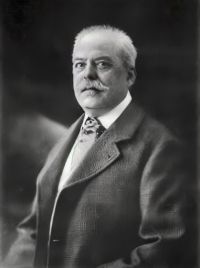
Portrait of Hugh Macmillan Hugh Macmillan Roman Mosaics; Or, Studies in Rome and Its Neighbourhood

More business is done on Sunday in this street than in any other quarter, with the exception of the Corso. Here a shop full of bright and beautiful flowers, roses, magnolias, hyacinths, and lilies of the valley, perfumed all the air; there a jeweller's shop displayed its tempting imitations of Etruscan ornaments, and beads of Roman pearls, coral, lapis lazuli, and malachite; while yonder a marble-cutter wrought diligently at his laths, converting some fragment of rare marble—picked up by a tourist among the ruins of ancient Rome—into a cup or letter-weight to be carried home as a souvenir.
Source: Gutenberg

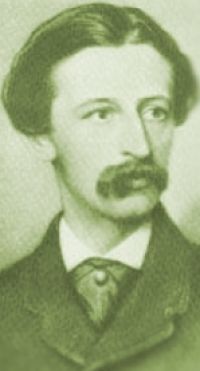
Portrait of Hugh Macmillan Hugh Macmillan Roman Mosaics; Or, Studies in Rome and Its Neighbourhood

The beauty and expression of ancient sculpture, whether for outside or inside decoration, were greatly heightened by this tinting. In cases where it was not employed, Nature herself became the artist, and has burnt into the marble statue or the marble pillar the warm hue of life; and the rusty, withered look of the ruins, over which ages of change have passed, touches us more than the pure white marble structure could have done in the pride of its splendour, and appeals to the tenderest sympathies of beings who see in themselves, and in all around them, the tokens of death and decay.
Source: Gutenberg

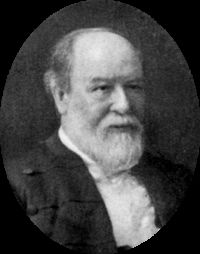
Portrait of Hugh Macmillan Hugh Macmillan Popular Science Monthly (1873)

It is pleasant to turn aside for a while from the busy human world, with its ceaseless anxieties, sorrows, and labors, to avert our gaze from the splendors of forest and garden, from the visible display of green foliage and rainbow-colored blossoms around us, and contemplate the silent and wonderful economy of that other world of minute or invisible vegetation with which we are so mysteriously related, though we know it not. There is something exceedingly interesting in tracing Nature to her ultimate and simplest forms.
Source: Wikisource

Get perspective with Kwize: daily news enlightened by great literature