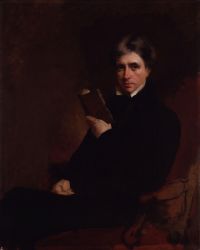
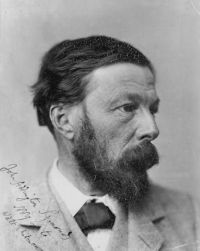
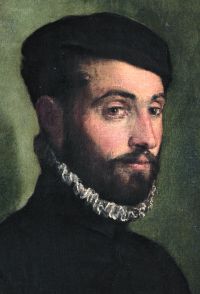
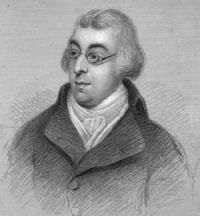
Tasso, the 16th-century Italian poet best known for Gerusalemme Liberata, represents the convergence of brilliance, insanity, and artistic tenacity. Authors such as John Addington Symonds examined his troubled mind through his abundant yet emotionally disjointed poetry, while Leigh Hunt reflected on the unclear boundary between Tasso’s visions and reality.
Percy Bysshe Shelley emphasized his tragic suffering, contrasting his time’s severity with contemporary compassion, and Lonsdale Ragg recognized Tasso’s inventive reshaping of historical tales. These diverse viewpoints combine to form an image of a poet whose influence persists not only through his writings, but through the lasting impact of his battles with destiny, imagination, and human vulnerability.