“ When the ogre saw him, he guessed at once what had happened. He gave Antonio a good scolding, and said, 'I don't know what prevents me smashing your head in, you useless ne'er-do-well! You blurt everything out, and your long tongue never ceases wagging for a moment. If you had remained silent in the inn this misfortune would never have overtaken you, so you have only yourself to blame for your present suffering.'Antonio listened to his master's words in silence, looking for all the world like a whipped dog. ”
Antonio
Definition and stakes
Antonio, a masculine given name of Etruscan origin derived from Antonius, has long carried cultural and literary significance across Romance languages and beyond. While primarily a personal name, its portrayals in literature reveal multifaceted dimensions: from Shakespeare’s The Merchant of Venice, where Antonio embodies loyal sacrifice, to Oldmeadow’s pious monk wrestling with spiritual remorse, and Lamb’s depiction of the noble Venetian, celebrated for his honor.
These varied interpretations highlight the name’s versatility, reflecting human virtues, weaknesses, and spiritual journeys. The thematic presence of Antonio in literature thus connects devotion, moral complexity, and the enduring tension between personal choice and destiny.
Quotes about “Antonio”
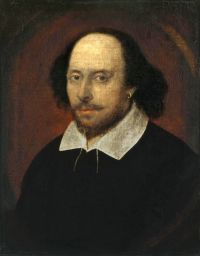 William Shakespeare,
The Merchant of Venice
William Shakespeare,
The Merchant of Venice
“ For half thy wealth, it is Antonio's; The other half comes to the general state, Which humbleness may drive unto a fine. PORTIA. Ay, for the state; not for Antonio. SHYLOCK. Nay, take my life and all, pardon not that. You take my house when you do take the prop That doth sustain my house; you take my life When you do take the means whereby I live. PORTIA. What mercy can you render him, Antonio? GRATIANO. A halter gratis; nothing else, for God's sake! ANTONIO. So please my lord the Duke and all the court To quit the fine for one half of his goods ”
Ernest Oldmeadow, Antonio (1909)
“ Even in the nave, where it was impossible to hear Antonio's voice or to see his face, the poignancy of the monk's Confiteor made itself felt. Like ripe corn bowing before a wind, the most hardened and careless bent lower and yearned forward in an anguish of contrition for forgotten sins; and when Antonio pronounced the words indulgentiam, absolutionem et remissionem the whole chapel respired one great sigh, as if a merciful king had just ended the suspense of a culprit condemned to death. ”


Related terms
Authors who wrote about “Antonio”
Ernest OldmeadowLudwig Tieck, translated by James Frederick Ferrier Ludwig Tieck
 E. T. A. HoffmannEdith Elmer Wood
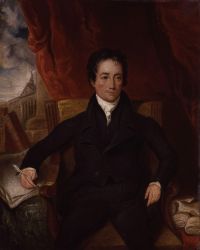 Charles LambVillamariaJanie Prichard DugganGertrude Forde
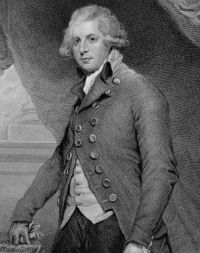 Richard Brinsley SheridanEva March TappanWilliam ShakespeareVariousGiorgio VasariW. L. Alden
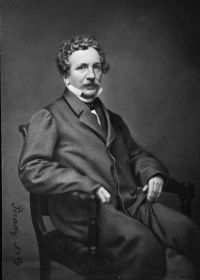 G. P. R. James
 Robert Dodsley
 L. T. Meade
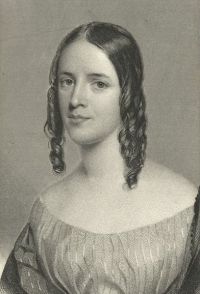 E. F. Ellet
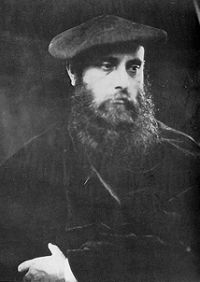 William Michael Rossetti
Ludwig TieckE. T. A. HoffmannEdith Elmer WoodCharles LambVillamariaJanie Prichard DugganGertrude FordeRichard Brinsley SheridanEva March TappanWilliam ShakespeareVariousGiorgio VasariW. L. AldenG. P. R. JamesRobert DodsleyL. T. MeadeE. F. ElletWilliam Michael Rossetti