Casuistry

Definition and stakes

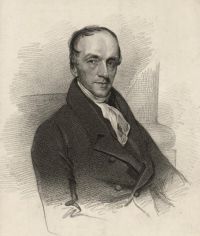
Portrait of Walter Farquhar Hook Walter Farquhar Hook,  A church dictionary

“ To casuistry belongs the decision of all difficulties arising about what a man may lawfully do or not do; what is sin or not sin; what things a man is obliged to do in order to discharge his duty, and what he may let alone without breach of it. The most celebrated writers on this subject, of the Church of England, are Bishop Jeremy Taylor, in his “Ductor Dubitantium;” and Bishop Sanderson, in his “Cases of Conscience.” There was a professor of casuistry in the university of Cambridge, but the title of the professorship has lately been altered to Moral Philosophy.
CASULA. (See Chasible.)
”
Source: Gutenberg

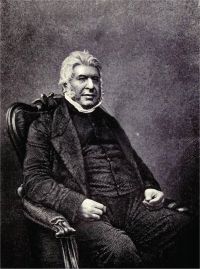
Portrait of Thomas De Quincey Thomas De Quincey,  The Uncollected Writings of Thomas de Quincey…

“ Casuistry, as I have already said, is the moral philosophy of cases—that is, of anomalous combinations of circumstances—that, for any reason whatsoever, do not fall, or do not seem to fall, under the general rules of morality. As a general rule, it must, doubtless, be unlawful to attempt another man's life, or to hazard your own. Very special circumstances must concur to make out any case of exception; and even then it is evident, that one of the parties must always be deeply in the wrong. ”
Source: Gutenberg

Get perspective with Kwize: daily news enlightened by great literature