The literary concept of "Sanderson" emerges as a recurring character archetype across diverse 19th- and early 20th-century narratives, embodying themes of moral conflict, resilience, and human connection. Authors such as Charles Alden Seltzer depict Sanderson as a brooding, introspective figure navigating personal and societal struggles, as seen in Square Deal Sanderson, where his internal battles and quiet determination define his journey.
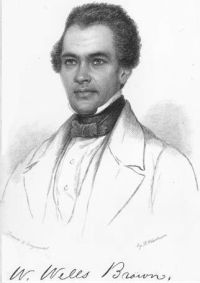
Joseph Rhode Grismer portrays him in ‘Way Down East as a romanticized figure entangled in social dynamics, while Algernon Blackwood connects him to metaphysical themes, exploring his role within a "Collective Consciousness" of nature in Pan’s Garden. William Wells Brown highlights Sanderson’s rhetorical skill and ethical stance on human dignity. These varied portrayals collectively underscore Sanderson as a versatile symbol of human complexity, bridging individual struggle and broader existential or societal inquiries.