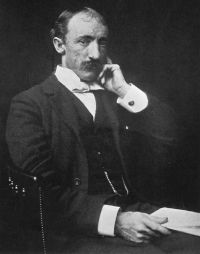
The coyote, a versatile figure in literature, embodies both cunning survival and cultural symbolism. Authors like Ernest Thompson Seton portray it as a clever, moral hunter, while Mary Austin emphasizes its stealth and adaptability in arid landscapes. In myth, Coyote becomes a trickster and primal force, as seen in tales of ice-bound dwellings and auroral reflections.
From naturalists to storytellers, writers frame the coyote as a liminal creature—both predator and mythic actor—reflecting its dual role as a survivor of harsh environments and a mirror to human curiosity. This duality underscores its enduring presence in ecological and narrative realms.