Carcass

Definition and stakes

Edward Willett,  Silverspur; or, The Mountain Heroine…

“ Death was too strong to be resisted by his brute force and tenacious will. The purple blood gushed in a torrent from his mouth, the huge carcass swayed more heavily from side to side, the failing limbs shook in a final effort to support the weight of the body, the whole frame was seized with a convulsive quiver, and at last, with a choking gasp, the animal fell over, dead, silent, motionless and stiff. ”
Source: Gutenberg

Robert Jennings,  Sheep, Swine, and Poultry

“ The carcass should hang twenty-four hours in a clean, cool, airy, dry apartment before it is cut down. It should be cool and dry; for, if warm, the meat will not become firm; and, if damp, a clamminess will cover it, and it will never feel dry, and present a fresh, clean appearance. The carcass is divided in two, by being sawed right down the back-bone. The kidney-fat is then taken out, being only attached to the peritoneum by the cellular membrane, and the kidney is extracted from the suet, the name given to sheep-tallow in an independent state. ”
Source: Gutenberg

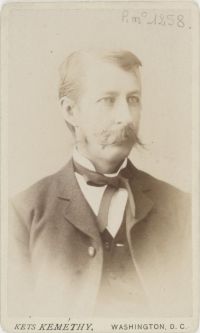
Portrait of Henry Wood Elliott Henry Wood Elliott,  Our Arctic province (1906)

“ Nothing is left of the skin upon the carcass, save a small patch of each upper lip on which the coarse mustache grows, the skin on the tip of the lower jaw, and its insignificant tail. After removal of the skin from the body of a fur-seal, the entire surface of the carcass is covered with a more or less dense layer, or envelope, of soft, oily blubber, which in turn completely conceals the muscles or flesh of the trunk and neck. ”
Source: Gutenberg

Get perspective with Kwize: daily news enlightened by great literature