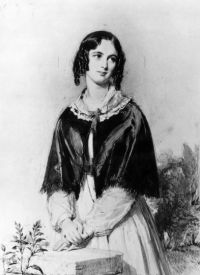
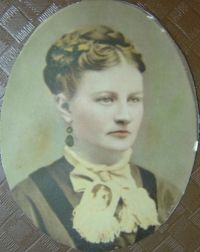
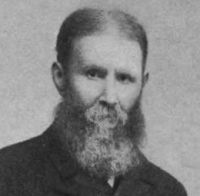
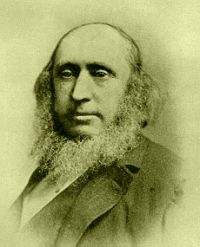
Lard, a rendered fat obtained from pork, has long been a staple in culinary traditions due to its versatility in enhancing flavor and texture. Authors such as Juliet Corson highlighted its purity and usefulness in cooking, promoting home-made lard over commercially modified versions, while Isabella Beeton outlined its technical use in larding, a technique to enrich lean meats.
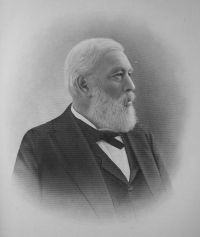
Alfred Powers and Orange Jacobs, although primarily focused on wildlife, indirectly referenced lard’s cultural significance through depictions of hunting and natural environments. These diverse perspectives illustrate lard’s dual function as both a practical component and a symbol of domestic and rural life, reflecting its lasting importance in historical food practices.
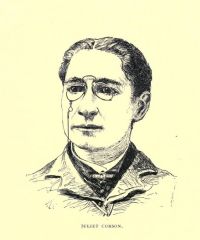 Juliet Corson,
A Course of Lectures on the Principles of Domestic Economy and Cookery
Juliet Corson,
A Course of Lectures on the Principles of Domestic Economy and Cookery