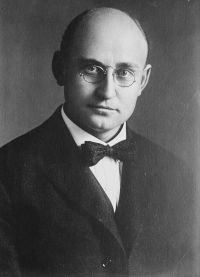
Flavor, a food additive that modifies taste or scent through chemoreception, connects sensory experience with industrial science. Whether derived from natural extracts or synthesized in laboratories, it influences culinary perception. Authors such as Henry T. Finck highlighted the importance of selective herb cultivation to achieve superior flavor, while Mary Swartz Rose commented on society's increasing fixation with it.
Thomas Aquinas associated taste with natural properties, and Voltaire tied it to aesthetic evaluation. Contemporary regulations differentiate between natural, nature-identical, and artificial flavorings, illustrating both the complexity of sensory experience and the precision of industrial processes. Thus, flavor continues to represent a dynamic interaction of biology, tradition, and technological advancement.