Vegetable

Definition and stakes

C. C. Long Home Geography for Primary Grades

LESSON XXIX.
USEFUL VEGETABLES.
In the heart of a seed buried deep, so deep, A dear little plant lay fast asleep.
"Wake!" said the sunshine, "and creep to the light."
"Wake!" said the voice of the raindrops bright.
The little plant heard, and it rose to see
What the wonderful outside world might be.
What vegetables grow in your neighborhood?
Of which do we use the roots as food? Of which the leaves? Of which the seeds? Of which the stems or stalks?
Which is the most useful garden vegetable? There is no common garden vegetable so highly thought of as the potato.
Source: Gutenberg

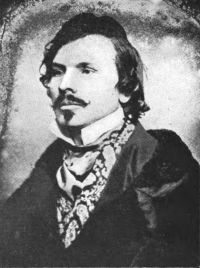
Portrait of D. H. Lawrence D. H. Lawrence Sea and Sardinia

Abundance of vegetables—piles of white-and-green fennel, like celery, and great sheaves of young, purplish, sea-dust-colored artichokes, nodding their buds, piles of big radishes, scarlet and bluey purple, carrots, long strings of dried figs, mountains of big oranges, scarlet large peppers, a last slice of pumpkin, a great mass of colors and vegetable freshnesses.
Source: Gutenberg

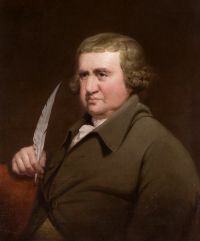
Portrait of Erasmus Darwin Erasmus Darwin Zoonomia, or, the Laws of Organic Life… (1796)

Vegetables are irritable; mimosa, dionæa muscipula. Vegetable secretions. 2. Vegetable buds are inferior animals, are liable to greater or less irritability. II. Stamens and pistils of plants shew marks of sensibility. III. Vegetables possess some degree of volition. IV. Motions of plants are associated like those of animals. V. 1. Vegetable structure like that of animals, their anthers and stigmas are living creatures. Male-flowers of Vallisneria. 2. Whether vegetables, possess ideas? They have organs of sense as of touch and smell, and ideas of external things?
Source: Wikisource

Get perspective with Kwize: daily news enlightened by great literature