Catalogue

Definition and stakes

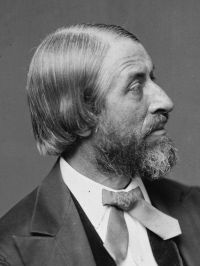
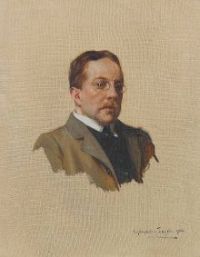
Richard Garnett,  Essays in librarianship and bibliography

“ At present a Universal Catalogue is a Utopian Catalogue. I have the greatest respect for those who have advocated it as an undertaking immediately practicable. I have no doubt that the twentieth century will speak of them as men before their age. But they are before it. [84] Their project is at present intricate, indefinite, intangible. They want a base of operations. As Sir Henry Cole himself discerned when he made his not altogether fortunate experiment of printing a specimen article from the Museum Catalogue, this catalogue supplies such a base. ”
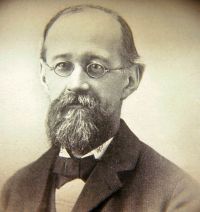
Source: Gutenberg

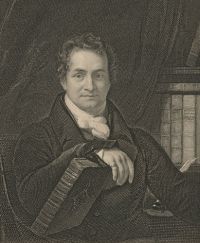
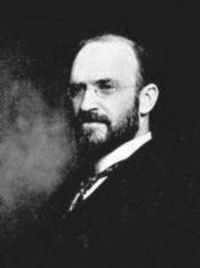
Portrait of Charles A. Cutter Charles A. Cutter,  Rules for a Dictionary Catalogue

“ No code of cataloguing could be adopted in all points by every one, because the libraries for study and the libraries for reading have different objects, and those which combine the two do so in different proportions. Again, the preparation of a catalogue must vary as it is to be manuscript or printed, and, if the latter, as it is to be merely an index to the library, giving in the shortest possible compass clues by which the public can find books, or is to attempt to furnish more information on various points, or finally is to be made with a certain regard to what may be called style. ”
Source: Gutenberg

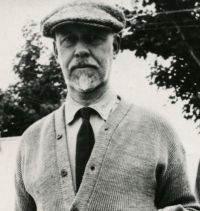
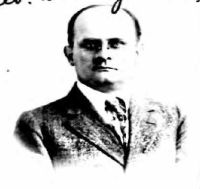
John Henry Quinn,  Library Cataloguing

“ No one style of catalogue, however, will answer all of these questions, but the one that will answer most of them with the least trouble and loss of time to the user is that known as the dictionary catalogue. It consists of an arrangement of author, subject, and (to a limited extent) title entries in a single alphabetical sequence, and is by far the most popular form. It is neither economical nor the most logical, but its [Pg 23] convenience for ready reference compensates for these defects. ”
Source: Gutenberg

Get perspective with Kwize: daily news enlightened by great literature