Imprint

Definition and stakes

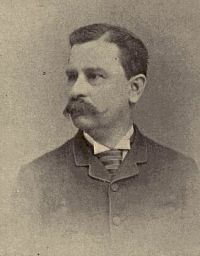
E. Gordon Duff,  The printers, stationers and bookbinders of Westminster and London from 1476 to 1535 (1906)

“ Then again quite half the editions produced for sale in England are without any imprint, so that we are left to conjecture who was the printer from the type or cuts used in the books. To further bewilder us, sets of cuts passed from printer to printer, and are very untrustworthy guides in assigning books. ”
Source: Gutenberg

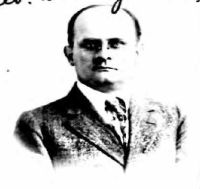
Portrait of Theodore Wesley Koch Theodore Wesley Koch,  The Library Assistant's Manual

“ Names of illustrators may be omitted unless they are of sufficient importance to require an added entry card. In a public library added entries under the names of popular illustrators like C. D. Gibson, Joseph Pennell or Walter Crane, will often prove helpful.
Imprint and Collation.—Fullness of imprint and collation varies in different libraries. The cataloger should not count on the library always remaining very small, but should include enough details of imprint and collation to assure her that the cards will be useful when the library has grown.
”
Source: Gutenberg

E. Gordon Duff,  The printers, stationers and bookbinders of Westminster and London from 1476 to 1535 (1906)

“ It is obvious that where the printer by his work placed himself in very considerable danger, he would not be anxious to advertise himself and would therefore [Pg 228] let his books go out without any imprint or with a fictitious one. Then comes in the study of type. It affords a far more conclusive argument than any theories drawn from where the author was living or where he would probably like to have his book printed. Then again there is the common danger of taking for an early or original edition what is merely a reprint with the original colophon unaltered. ”
Source: Gutenberg

Get perspective with Kwize: daily news enlightened by great literature