Summary

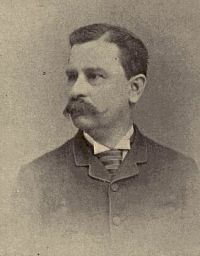
Portrait of John K. Tiffany John K. Tiffany History of the Postage Stamps of the United States of America

Our youth were reminded of the wise saws and sayings of "Poor Richard" and it taught them that if they learned to save the cents, the dollars were more likely to take care of themselves. But now think of the miserable, confused looking thing, with its wretched printing, that the Post Office has given us for the present three cent stamp. It is neither historical, national, beautiful, nor anything but a paltry evidence of the fact, that some engraver has got paid or will get paid for a job that ought never to have been done. Can our authorities not let well enough alone?
Source: Gutenberg

Portrait of John K. Tiffany John K. Tiffany History of the Postage Stamps of the United States of America

The New York Herald says:
"The old style of three cent postage stamps had thereon a face of Washington, out of compliment to a good man. It now has a railway scene to represent how Congressmen make money. The two cent stamp represents a man on horseback. This represents Booth's death ride into Maryland. The one cent stamp should represent a cow with the favorite son of the Covington postmaster fast to her tail. This out of compliment to Grant."
An Eastern paper says:
"The Government introduced the present nondescript things called postage stamps, for the purpose of frightening counterfeiters."
Source: Gutenberg

Portrait of John K. Tiffany John K. Tiffany History of the Postage Stamps of the United States of America

Post office stamps to be of general utility, should be issued by the General Post Office at Washington, sanctioned by law, and with suitable penalties in case of forgery: they would be of great advantage to the Post Office Department, and would much facilitate business in various ways, but if issued by any or all postmasters, will in some cases be used "to raise the wind," and may raise it pretty effectually in cases of death or default, as the amount held by the public in any of the large cities would be a very considerable sum."
Source: Gutenberg

Get perspective with Kwize: daily news enlightened by great literature