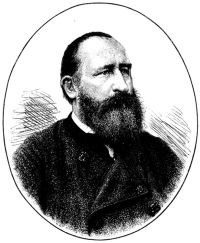
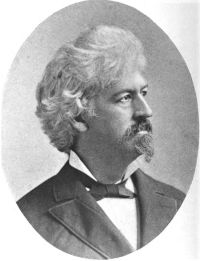
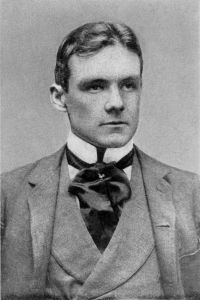
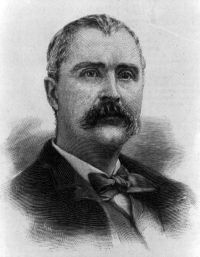
The literary concept of "block" encompasses both physical structures and metaphorical constructs, appearing in narratives as a symbol of order, confinement, or collective identity. Authors such as Mark Twain depict urban blocks as uniform, sprawling entities shaping human experience, while John Bell Bouton uses the term to frame a mystery within a specific architectural setting.
Gerald Stanley Lee emphasizes the block’s role as a microcosm of modern life, contrasted with Joe Hill’s satirical portrayal of "Mr. Block" as a bureaucratic figure. These varied depictions highlight the theme’s versatility, reflecting both concrete spaces and abstract systems. The block, thus, emerges as a multifaceted lens through which writers explore societal patterns, individual agency, and the interplay between structure and chaos.
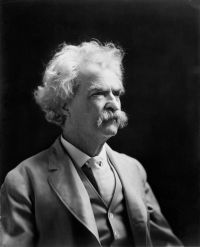 Mark Twain,
The Innocents Abroad
(1869)
Mark Twain,
The Innocents Abroad
(1869)