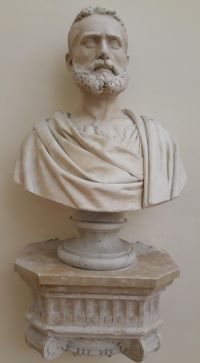
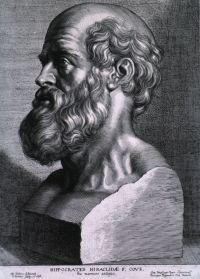
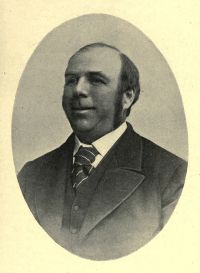
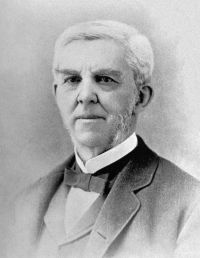
A lever, a basic machine consisting of a rigid bar pivoting around a fulcrum, enhances applied force to produce mechanical benefit, making it one of the six traditional simple machines. Its principles, derived from ancient uses in Egyptian building projects and Archimedean science, support both mechanical and biological systems. Writers such as Vitruvius discussed levers in architecture, while James Bell Pettigrew examined their function in animal movement, and Homer Heath Nugent connected them to human anatomy.
Maud C. Cooke even compared societal structures to lever mechanisms, highlighting their widespread applicability. The lever’s lasting significance stems from its capacity to balance effort and motion, linking engineering, biology, and metaphor, as its operation continues to serve as a fundamental basis for understanding both tangible and conceptual systems.