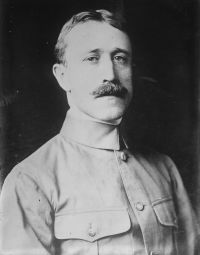
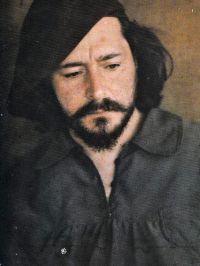
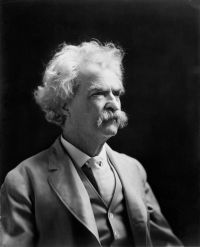
Confinement, the state of being physically or metaphorically restricted, has long been a central theme in literature, reflecting humanity’s complex relationship with limitation, punishment, and psychological endurance. Authors such as Alan Bott depict its profound impact, describing solitary confinement as a “torture” that fosters “morbid” thoughts, while Thomas Walker emphasizes the despair of extended imprisonment, where hope is “drowned” by isolation.
Anthony Trollope, meanwhile, contrasts the intellectual suffering of confinement with the routine labor of prisoners, highlighting the tension between societal expectations and human dignity. These varied perspectives, ranging from the physical to the psychological, reveal confinement as both a societal tool and a reflection of the human condition, illustrating how limitation shapes not only the body but also the very essence of mental and moral strength.