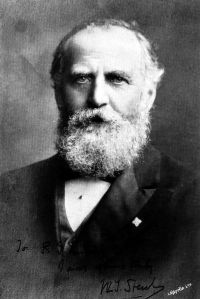
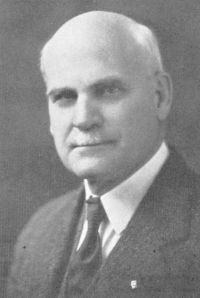
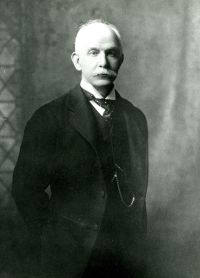
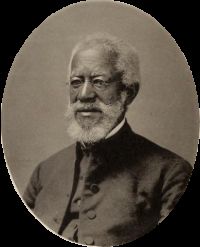
A reformatory, a youth detention center, or an adult correctional facility common in the late 19th and early 20th centuries, arose from social reforms focused on rehabilitation rather than punishment. Authors such as Alfred Wesley Wishart associated reformatory movements with historical monastic societies, while W. T. Stead promoted reformatory institutions as places of care rather than punishment.
William Wordsworth criticized the term "reformation" in religious contexts, highlighting its complex moral implications, and Frank Pierrepont Graves linked the Reformation to Renaissance humanism. These differing viewpoints illustrate the reformatory’s dual function as both a practical establishment and a symbolic idea of societal renewal, influencing modern practices such as parole systems.