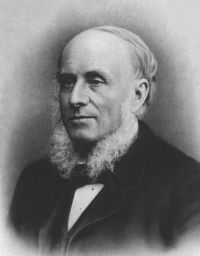
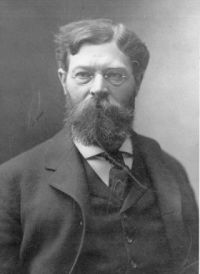
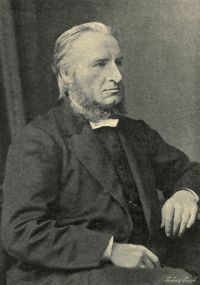
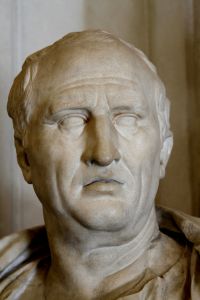
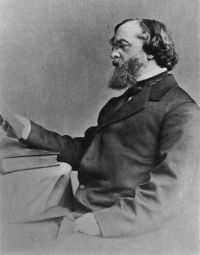
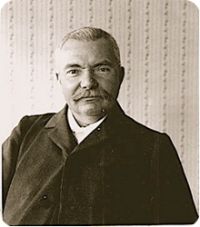
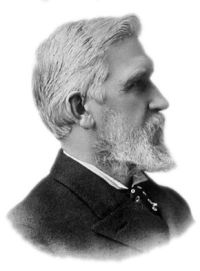
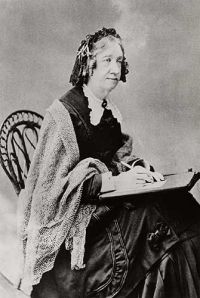
Utility, a cornerstone of economics and game theory, measures an individual's satisfaction or happiness derived from choices, functioning both as a normative objective to maximize and as a descriptive framework inferred from behavior. Philosophers like John Stuart Mill conceptualized it through utilitarianism, promoting actions that enhance overall well-being, while Adam Smith examined its conflict with market value, as exemplified by the water-diamond paradox.
Economists such as Vilfredo Pareto associated it with social welfare and efficiency, employing utility functions to represent preferences, as demonstrated by James’s decision between goods. This duality—between personal desire and collective advantage—positions utility as a link between ethical theory and economic analysis.
 Thomas Henry Huxley,
Popular Science Monthly
(1877)
Thomas Henry Huxley,
Popular Science Monthly
(1877)