Adam Smith

Biographical details

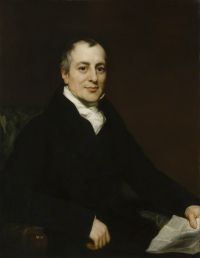
Portrait of Adam Smith Adam Smith,  The Essays of Adam Smith

“ Virtue is not said to be amiable, or to be meritorious, because it is the object of its own love, or of its own gratitude; but because it excites those sentiments in other men. The consciousness that it is the object of such favourable regards, is the source of that inward tranquillity and self-satisfaction with which it is naturally attended, as the suspicion of the contrary gives occasion to the torments of vice. What so great happiness as to be beloved, and to know that we deserve to be beloved? What so great misery as to be hated, and to know that we deserve to be hated? ”
Source: Gutenberg

Portrait of Adam Smith Adam Smith,  The Theory of Moral Sentiments (1777)

“ Before resentment, therefore, can become graceful and agreeable, it must be more humbled and brought down below that pitch to which it would naturally rise, than almost any other passion.
Mankind, at the same time, have a very strong sense of the injuries that are done to another. The villain, in a tragedy or romance, is as much the object of our indignation, as the hero is that of our sympathy and affection. We detest Iago as much as we esteem Othello; and delight as much in the punishment of the one, as we are grieved at the distress of the other.
”
Source: Gutenberg

Portrait of Adam Smith Adam Smith,  The Wealth of Nations (1776)

“ To propose that Great Britain should voluntarily give up all authority over her colonies, and leave them to elect their own magistrates, to enact their own laws, and to make peace and war, as they might think proper, would be to propose such a measure as never was, and never will be, adopted by any nation in the world. No nation ever voluntarily gave up the dominion of any province, how troublesome soever it might be to govern it, and how small soever the revenue which it afforded might be in proportion to the expense which it occasioned. ”
Source: Gutenberg

Get perspective with Kwize: daily news enlightened by great literature