AI-generated from sources
The price of permanence: Material wealth versus the fragile immortality of art
In Brief
- Precious metals derive their enduring value from physical durability, scarcity, and their role as a universal, fungible measure of wealth and stable economic standard (Roscher, Marx).
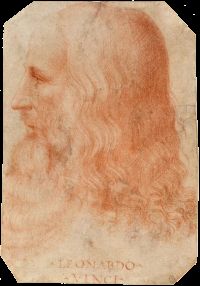
- Artistic value is profoundly intangible, rooted in creative genius and aesthetic experience, meaning its market price is arbitrary and distinct from its true, unpriceable worth (Da Vinci, Catholic World).
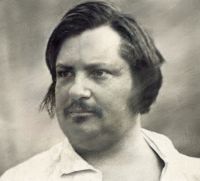
- The intersection of art and commerce is fraught with tension; in a money-standard society, art risks being reduced to a mere commodity, valued for vanity rather than aesthetic integrity (Lord, Balzac).
- Modern preferences for stealing quantifiable material assets over unsaleable masterpieces reflect the perceived security of physical permanence over the transience of cultural valuation and fame.
Main authors


A fundamental dichotomy exists between two forms of enduring value: the physical incorruptibility of precious metals and the cultural immortality of artistic masterpieces. Gold, silver, and gems possess a permanence rooted in their very substance, resisting decay and maintaining their integrity across millennia [1, 2]. In contrast, a great work of art achieves a different kind of endurance, one based on aesthetic power and the persistence of human genius [3, 4]. This raises a central question about how societies assign value: why does the tangible, material worth of an immutable substance often seem to hold a more secure place than the intangible, yet profound, value of a fragile cultural artifact? [5, 6]
This conflict can be understood as a clash between different modes of valuation. One system is grounded in the intrinsic material properties of objects—their scarcity, beauty, and, above all, their durability [7]. These qualities make precious metals a natural foundation for currency and a universal standard for storing and displaying wealth [8, 9]. The other system of value is rooted in aesthetic experience, creative genius, and cultural significance, attributes that inherently resist straightforward monetary quantification [10]. The interaction between these competing frameworks reveals a deep-seated tension in how we measure what is truly precious, pitting the logic of the market against the unpriceable nature of artistic creation.
The immutable logic of material worth
The foundational value of precious metals is derived from their exceptional physical characteristics. Gold and silver exhibit a remarkable durability, resisting the corrosive effects of air and water that degrade nearly all other commodities . This inherent indestructibility makes them the ideal material for hoarding and the long-term preservation of wealth . Unlike consumable goods, their substance is not easily diminished through use or time, ensuring that their quantity remains relatively stable [11]. This physical permanence provides a reliable anchor for value in a world of transient goods.
These physical traits, when combined with their natural scarcity and aesthetic appeal, allow precious metals to be translated directly into economic power . Historically, their use evolved from satisfying luxury wants to serving as the primary material for money, the universal instrument of exchange . Because they combine all the necessary advantages—portability, divisibility, and uniformity—with few of the disadvantages, they became the established standard against which other commodities are measured [12]. Their value is not only stable but also widely recognized, making them essential for facilitating commerce and building civilizations [13].
The economic power of precious metals is intrinsically linked to their social dimension as symbols of status. The public display of gold and silver serves as an immediate and unambiguous manifestation of wealth and influence . The accumulation of these metals within a country is often seen as an effect of national prosperity, as wealthy nations can afford to pay a higher price, attracting these materials from elsewhere [14, 15]. This creates a self-reinforcing dynamic where material wealth concentrates and solidifies its own importance, cementing the status of precious metals as the ultimate measure of tangible success.
Art beyond the measure of money
In stark contrast to the quantifiable logic of material value, the worth of art is profoundly intangible. The value of a masterpiece does not reside in its physical components—the canvas, paint, or marble—but is instead an expression of the artist's unique vision and spirit . This creative genius, the very essence of the work, is something that cannot be truly purchased or commodified. Its price in the market is merely a transactional token for something fundamentally priceless .
The core of artistic value lies in its capacity to generate a significant aesthetic experience, moving the spectator in a way that mere illustration or description cannot [16]. A true work of art is a creation of form, not an imitation of life, and its power is to elevate rather than simply edify or entertain [17, 18]. This quality is often the product of subtle, almost imperceptible touches that separate the master artist from the skilled artisan, defining a reputation that rests on a foundation of unique talent and execution .
This introduces a paradox concerning the permanence of art. While the techniques of the Old Masters have allowed their works to endure for centuries, demonstrating a remarkable material resilience , the fame that elevates an artist to legendary status can be notoriously ephemeral [19]. The mysterious charm attached to a great name can fade with passing generations and shifting tastes. This transience of renown stands in sharp opposition to the unwavering physical presence of a bar of gold, questioning what form of legacy is ultimately more lasting. While a masterpiece may survive, its cultural valuation is far less stable than the market price of a precious metal.
When genius meets the marketplace
The intersection of art and commerce is often fraught with tension, as the intangible value of genius is forced into a system of monetary exchange. In societies that measure all things by a money-standard, art risks being reduced to just another commodity, acquired by patrons for reasons of vanity or social climbing rather than genuine aesthetic appreciation [20]. The art dealer emerges as a pivotal, and sometimes cynical, figure in this landscape, possessing a keen eye for profit while often only pretending to love the artworks being traded [21, 22].
This dynamic creates a conflict for the artist, who must navigate the demands of the market while striving for creative integrity. Artists are often warned against confusing the pursuit of high art with the chase for profit, and are urged to revere their craft for its own sake [23]. However, this ideal is challenged by the prevailing culture. In an era dominated by engineering, manufacturing, and the pursuit of utility, the artist can feel like an anachronism, and the conditions for great art to flourish may be diminished [24, 25].
The valuation of art is further complicated by the fluctuating nature of public taste and the influence of critics. A public with undeveloped aesthetic sensibilities may prefer simple imitation that dazzles the eye over more challenging works of significant form . This taste can be manipulated by those who benefit from mediocrity, leading to a climate of jealousy and scorn toward true artistic greatness [26]. Consequently, even recognized masterpieces may not be immediately appreciated by the official arbiters of culture, highlighting the unreliability of contemporary judgment in assigning lasting value [27].
The enduring appeal of precious metals stems from their physical permanence and their established role as a universal measure of economic value—a tangible and defensible representation of wealth . In contrast, the value of art is abstract, rooted in the intangible qualities of genius and aesthetic impact, which makes its monetary price arbitrary and its fame potentially transient . In a cultural landscape that increasingly prioritizes utility and commerce, the immutable logic of gold often overshadows the more fragile, yet profound, immortality offered by a masterpiece .
While the marketplace will always attempt to assign a price to every object, a fundamental distinction between these two forms of value persists. Precious metals offer security, a quantifiable store of worth that meets a practical need for a stable medium of exchange. Art, however, offers a different kind of permanence—a cultural and emotional legacy that addresses a deeper set of human desires for meaning and beauty . The ultimate price of permanence, therefore, may lie in recognizing that certain values, particularly those born of creative genius, exist in a realm beyond simple transaction and cannot be fully captured by any monetary system .