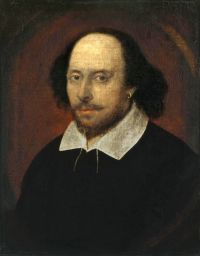
Iago

Definition and stakes

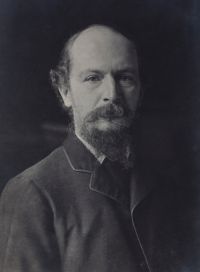
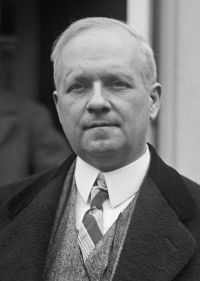
Portrait of Wilbur D. Nesbit Wilbur D. Nesbit,  An Alphabet of History

“ And yet he did not work at all as modern villains do;
No one can rise and say that bold Iago hoarsely laughed
When some one demonstrated that his stories were untrue.
He did not swagger on the stage in evening clothes, and mutter,
Nor bite his finger nails in baffled anger now and then;
He never turned and left the stage with nothing else to utter
Except: "Aha! Proud beauty! I shall not be foiled again!"
Iago did not hover near the old deserted mill
To hurl the daring hero in the waters of the race
”
Source: Gutenberg

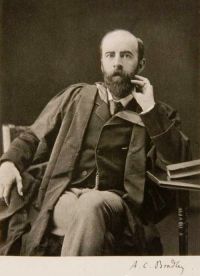
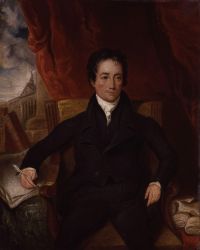
Portrait of Charles Lamb Charles Lamb,  Tales from Shakespeare — Othello (1908)

“ From these imaginary provocations, the plotting mind of Iago conceived a horrid scheme of revenge, which should involve both Cassio, the Moor, and Desdemona, in one common ruin.
Iago was artful, and had studied human nature deeply, and he knew that of all the torments which afflict the mind of man (and far beyond bodily torture) , the pains of jealousy were the most intolerable, and had the sorest sting.
”
Source: Wikisource

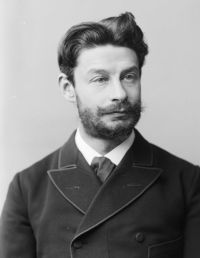
Portrait of Georg Brandes Georg Brandes,  William Shakespeare: A Critical Study

“ Iago—there is more depth, more penetrating knowledge of human nature in this one character than in the whole of Macbeth. Iago is the very embodiment of the grand manner.
He is not the principle of evil, not an old-fashioned, stupid devil; nor a Miltonic devil, who loves independence and has invented firearms; nor a Goethe's Mephistopheles, who talks cynicism, makes himself indispensable, and is generally in the right. Neither has he the magnificently foolhardy wickedness of a Cæsar Borgia, who lives his life in open defiance and reckless atrocity.
”
Source: Gutenberg

Get perspective with Kwize: daily news enlightened by great literature