Desdemona

Definition and stakes

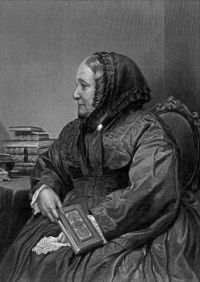
Portrait of Mrs. Jameson Mrs. Jameson,  Characteristics of Women: Moral…

“ The wronged but self-sustained virtue of Hermione commands our veneration; the injured and defenceless innocence of Desdemona so wrings the soul, "that all for pity we could die."
Desdemona, as a character, comes nearest to Miranda, both in herself as a woman, and in the perfect simplicity and unity of the delineation; the figures are differently draped—the proportions are the same. There is the same modesty, tenderness, and grace; the same artless devotion in the affections, the same predisposition to wonder, to pity, to admire; the same almost ethereal refinement and delicacy
”

Source: Gutenberg

Portrait of A. C. Bradley A. C. Bradley,  Shakespearean Tragedy (1912)

“ Desdemona, the ‘eternal womanly’ in its most lovely and adorable form, simple and innocent as a child, ardent with the courage and idealism of a saint, radiant with that heavenly purity of heart which men worship the more because nature so rarely permits it to themselves, had no theories about universal brotherhood, and no phrases about ‘one blood in all the nations of the earth’ or ‘barbarian, Scythian, bond and free’ ”
Source: Wikisource

Portrait of Mrs. Jameson Mrs. Jameson,  Characteristics of Women: Moral…

“ The impression produced is exactly that [Pg 253] of the character of Desdemona; genius is a rare thing, but abstract goodness is rarer. In Desdemona, we cannot but feel that the slightest manifestation of intellectual power or active will would have injured the dramatic effect. She is a victim consecrated from the first,—"an offering without blemish," alone worthy of the grand final sacrifice; all harmony, all grace, all purity, all tenderness, all truth! But, alas! to see her fluttering like a cherub in the talons of a fiend!—to see her—O poor Desdemona! ”
Source: Gutenberg

Get perspective with Kwize: daily news enlightened by great literature