Emilia

Definition and stakes

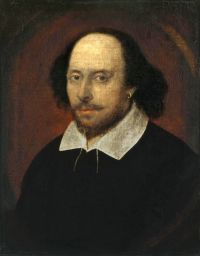
Portrait of William Shakespeare William Shakespeare,  The Two Noble Kinsmen

“ Enter Theseus, Hippolyta, Emilia, Arcite in a chair.
PALAMON.
O miserable end of our alliance!
The gods are mighty. Arcite, if thy heart,
Thy worthy, manly heart, be yet unbroken,
Give me thy last words. I am Palamon,
One that yet loves thee dying.
ARCITE.
Take Emilia
And with her all the world’s joy. Reach thy hand;
Farewell. I have told my last hour. I was false,
Yet never treacherous. Forgive me, cousin.
One kiss from fair Emilia.
[Emilia kisses Arcite.]
’Tis done.
Take her. I die.
”
Source: Gutenberg

conte Baldassarre Castiglione,  The Book of the Courtier (1901)

“ My lady Emilia replied:
“He who begins to love ought also to begin to please his beloved and bend himself wholly to her wishes, and govern his by hers; and make his own desires her slaves, and his very soul like unto an obedient handmaid, nor ever think of aught but to let it be transformed, if possible, into that of his beloved, and to account this as his highest happiness; for they do thus who love truly.”
”
Source: Gutenberg

Portrait of Thomas Wentworth Higginson Thomas Wentworth Higginson,  Malbone: An Oldport Romance

“ She went back to Emilia, and, seating herself, studied every line of the girl’s face, the soft texture of her hair, the veining of her eyelids. They were so lovely, she felt a sort of physical impulse to kiss them, as if they belonged to some utter stranger, whom she might be nursing in a hospital. Emilia looked as innocent as when Hope had tended her in the cradle. What is there, Hope thought, in sleep, in trance, and in death, that removes all harsh or disturbing impressions, and leaves only the most delicate and purest traits? Does the mind wander, and does an angel keep its place? ”
Source: Gutenberg

Get perspective with Kwize: daily news enlightened by great literature