An aria is a self-contained musical piece for a single voice, usually found within larger compositions such as operas, oratorios, or cantatas. Historically, it developed from simple tunes into more structured forms, such as the da capo aria, which enabled singers to demonstrate their vocal skill through repetition and embellishment. Although composers like Gluck and Verdi reshaped its function in dramatic narratives, the aria continued to serve as a fundamental element of vocal performance.
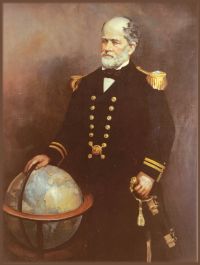
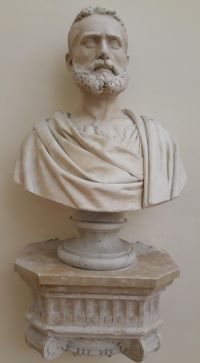
The data indicate that, despite its musical importance, the theme is also connected to discussions about air and atmosphere, as seen in writers like Vitruvius and Matthew Fontaine Maury, who examined air's natural phenomena, ranging from weather patterns to its role in supporting life. This connection between musical and atmospheric ideas highlights the diverse meanings of the term across different fields.