Radiation

Definition and stakes

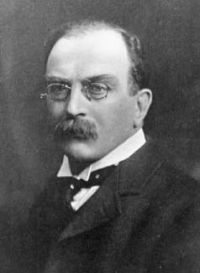
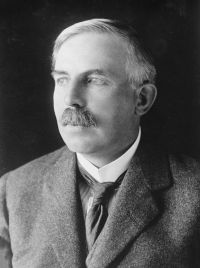
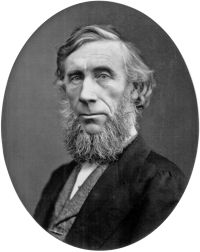
Portrait of John Tyndall John Tyndall,  Fragments of Science: A Series of Detached Essays…

“ Radiation is the communication of vibratory motion to the aether; and when a body is said to be chilled by radiation, as for example the grass of a meadow on a starlight night, the meaning is, that the molecules of the grass have lost a portion of their motion, by imparting it to the medium in which they vibrate. On the other hand, the waves of aether may so strike against the molecules of a body exposed to their action as to yield up their motion to the latter; and in this transfer of the motion from the aether to the molecules consists the absorption of radiant heat. ”
Source: Gutenberg

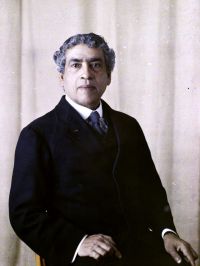
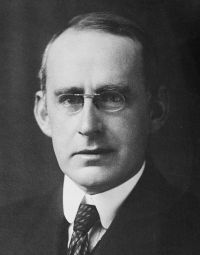
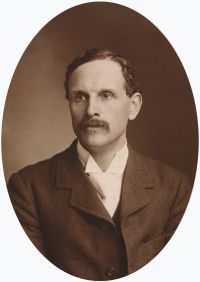
Portrait of Hugh Longbourne Callendar Hugh Longbourne Callendar,  1911 Encyclopædia Britannica (1911)

“ It is now a commonplace that chemical action, colour sensation and heat are merely different effects of one and the same kind of radiation, the particular effect produced in each case depending on the frequency and intensity of the vibration, and on the nature of the substance on which it falls. When radiation is completely absorbed by a black substance, it is converted into heat, the quantity of heat produced being equivalent to the total energy of the radiation absorbed, irrespective of the colour or frequency of the different rays. ”
Source: Wikisource

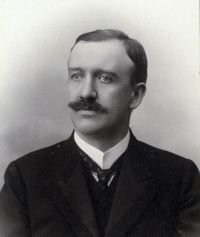
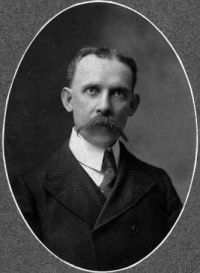
Pierre Curie,  Recent research on radioactivity (1904)

“ The Slow Evolution of Induced Activity.—A solid body acquires a very feeble, persistent, induced activity when it remains a month or less in contact with the radiation from radium. A substance withdrawn from the influence of the emanation after having been subjected to it for a long time loses its activity rapidly at first, according to the laws given. But the activity of the radiation does not disappear completely. There remains a radiation several thousand times more feeble than it was at first. ”
Source: Gutenberg

Get perspective with Kwize: daily news enlightened by great literature