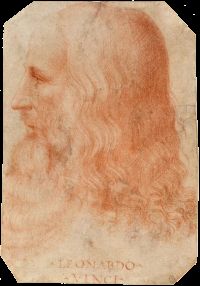
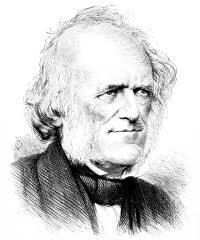
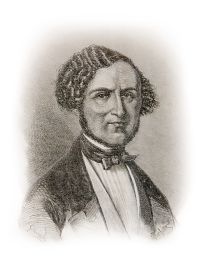
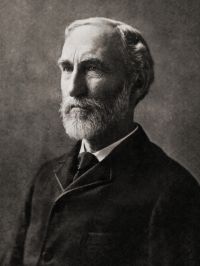
The concept of a layer refers to a volume of material bounded by two surfaces, often suggesting stratification or structured division. Authors have examined this idea through geological, biological, and metaphorical perspectives: Leonardo da Vinci described Earth’s layers as sedimentary accumulations, while Frederic E. Clements analyzed forest strata as interdependent ecological zones.
Thomas C. Chamberlin outlined Earth’s stratified structure, distinguishing unconsolidated material from deep rock, and Charles Howard Hinton used layers to illustrate planar realities. These diverse viewpoints highlight how layers serve as essential components, revealing complexity through ordered arrangement across natural and abstract systems.