Gravel, a loose collection of rock fragments measuring between 2 and 63 mm, is a natural result of geological erosion and a crucial commercial resource. From its function as a foundational component in road building to its importance in sedimentary structures, gravel connects the domains of nature and human engineering.
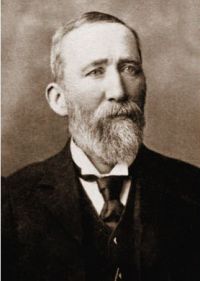
Scholars such as Charles Lyell and James Hutton examined its geological beginnings, observing its rounded particles shaped by water, while Charles Darwin noted its layered strata in South American landscapes. Ignatius Donnelly, on the other hand, referenced gravel as a force of destruction in his apocalyptic vision. These viewpoints highlight gravel’s dual character: a lasting natural occurrence and a fundamental element of contemporary infrastructure.
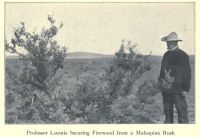
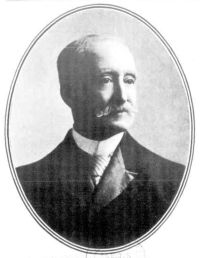 Howard Willoughby,
Australian Pictures, Drawn with Pen and Pencil
Howard Willoughby,
Australian Pictures, Drawn with Pen and Pencil