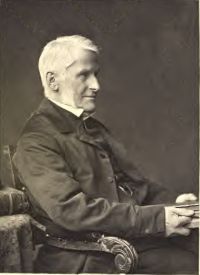
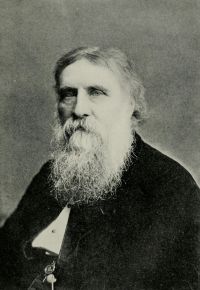
The concept of "till" embodies the temporal and existential tension between waiting and action, often framing moments of anticipation or delay. Authors like Edward Hoare highlight its urgency in spiritual contexts, urging vigilance rather than passive waiting, while George MacDonald redefines it as an opportunity for immediate engagement, rejecting the idea of "fitter time.
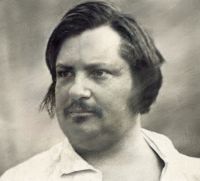
" John Keats wittily subverts it within the creative process, suggesting a poem is not truly begun until its completion is half-realized. Meanwhile, Honoré de Balzac employs it pragmatically, postponing decisive action to accommodate changing circumstances. These varied approaches reveal "till" as a liminal space where time’s passage intersects with human resolve, mirrored in related geological themes that frame natural processes as gradual, accumulative forces shaping landscapes over epochs.
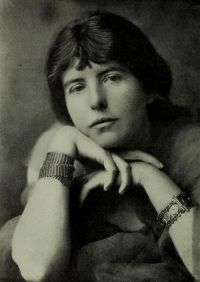 Adela Florence Cory Nicolson,
Last Poems
(1905)
Adela Florence Cory Nicolson,
Last Poems
(1905)