The concept of "way" denotes the means by which an action achieves a purpose, encompassing both practical approaches and philosophical implications. Authors like Robert Cortes Holliday frame it as a reflective journey, emphasizing walking’s role in encouraging thought, while Walter Pater connects it to intentional movement shaping human experience.
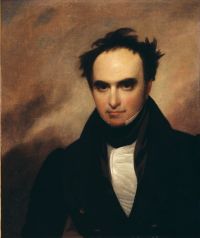
Daniel Webster contrasts this with determined direction, promoting steadfast advancement. These viewpoints highlight "way" as both a physical route and an ethical structure, linking practical value with existential intent. The theme’s presence across literature and philosophy underscores its dual function as a useful tool and a metaphysical exploration of human purpose.
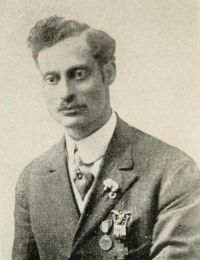 William Nauns Ricks,
The Whistle Maker and Other Poems…
(1914)
William Nauns Ricks,
The Whistle Maker and Other Poems…
(1914)