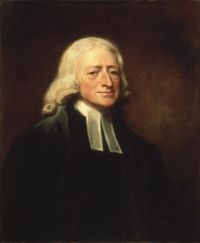
The concept of Immanuel, derived from the Hebrew ʾImmanuel, meaning “God with us,” signifies the divine presence among humanity, rooted in Isaiah’s prophecy of a child representing God’s covenantal protection. This theme recurs across theological and literary traditions, from Matthew Henry’s interpretation of Jesus as God incarnate to Charles Wesley’s hymns celebrating Immanuel’s reconciling power.
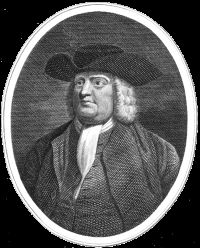
William Penn contrasts worldly excess with the humility demanded by Immanuel’s example, while R. L. Berry and Frederick Charles Jennings emphasize its spiritual empowerment and redemptive sacrifice. The name goes beyond dogma, embodying both divine intimacy and human aspiration, as seen in its presence across biblical commentary, devotional poetry, and historical discourse.
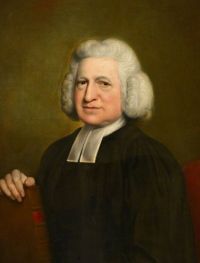 Charles Wesley,
Celebrate Immanuel’s Name
Charles Wesley,
Celebrate Immanuel’s Name