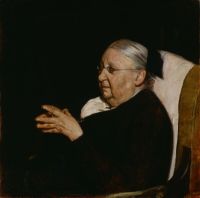
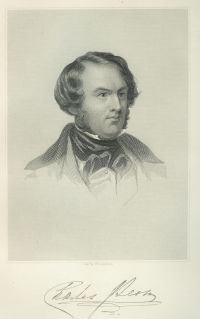
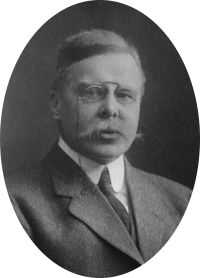
Turf, a term referring to natural grassy vegetation or cultivated lawn surfaces, has long functioned as a multifaceted symbol in literature, reflecting both the earth's raw beauty and human intervention. From F. Barham Zincke’s peaceful depiction of turf beside a stream in the Swiss Alps to Gertrude Jekyll’s practical account of lawn cultivation, authors have examined its dual role as a natural feature and a designed landscape.
Hippolyte Taine evokes its lively freshness in mountainous settings, while Walter White contrasts it with harsh, untamed terrain. These varied portrayals highlight turf’s ability to inspire calm, endurance, and the relationship between nature and human creation.