“ The indigo-bird is a midsummer and an all-summer songster of great brilliancy. So is the tanager. I judge there is no European thrush that, in the pure charm of melody and hymn-like serenity and spirituality, equals our wood and hermit thrushes, as there is no bird there that, in simple lingual excellence, approaches our bobolink.The European cuckoo makes more music than ours, and their robin redbreast is a better singer than the allied species, to wit, the bluebird, with us. But it is mainly in the larks and warblers that the European birds are richer in songsters than are ours. ”
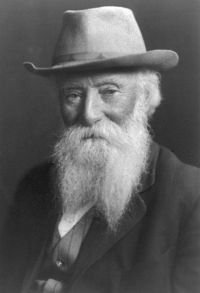
John Burroughs
Summary
John Burroughs’ Fresh Fields is a collection of essays that examines the natural landscapes and birdlife of both America and Europe, contrasting the tranquil charm of the English countryside with the vibrant energy of New England’s wilderness. Through vivid portrayals of songbirds such as the nightingale, thrush, and lark, Burroughs contemplates the spiritual and aesthetic significance of nature, while engaging with literary figures like Emerson and Carlyle.
The text highlights the relationship between environment and human experience, depicting the landscape as a reflection of cultural and personal identity. Burroughs’ poetic writing celebrates the unique beauty of grass, trees, and waterways, portraying the natural world as both a source of inspiration and a means of understanding human character.
Quotes from Fresh Fields (John Burroughs)
“ In England you shall see at its full that of which you catch only glimpses in this country, the broad, beaming, hospitable beauty of a perfectly cultivated landscape. Indeed, to see England is to take one's fill of the orderly, the permanent, the well-kept in the works of man, and of the continent, the beneficent, the uniform, in the works of nature. It is to see the most perfect bit of garden lawn extended till it covers an empire; it is to see the history of two thousand years written in grass and verdure, and in the lines of the landscape ”
“ In like manner the silken tresses of our white pine contrast strongly with the coarser foliage of the European pines. But what they have, they have in greatest profusion. Few of their flowers waste their sweetness on the desert air; they throng the fields, lanes, and highways, and are known and seen of all. They bloom on the housetops, and wave from the summits of castle walls. The spring meadows are carpeted with flowers, and the midsummer grain-fields, from one end of the kingdom to the other, are spotted with fire and gold in the scarlet poppies and corn marigolds. ”
