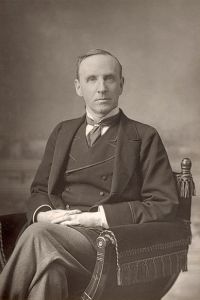
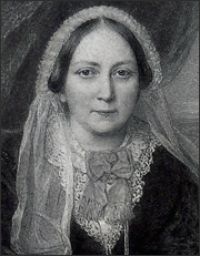
Thomas Carlyle, a 19th-century British writer and philosopher, is renowned for his profound essays, historical narratives, and promotion of heroism as a moral force. Authors such as Frank Wilson Cheney Hersey portray him as a towering, enigmatic figure radiating intellectual intensity, while Arthur Christopher Benson contrasts his turbulent prose with his vivid, poetic depictions of human experience. Hattie Tyng Griswold highlights his complex legacy, pointing out how his works—ranging from The French Revolution to Sartor Resartus—inspire admiration despite biographical inaccuracies.
Critics like William J. Long recognize his stylistic inconsistencies, shifting between poetic lyricism and didacticism. Carlyle’s own writings, such as On the Choice of Books, reveal his struggle to balance human frailty with transcendent ideals. This duality—between his reverence for heroism and his self-critical humility—defines his lasting, multifaceted influence on literary and philosophical thought.