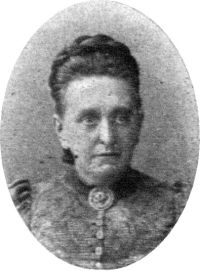
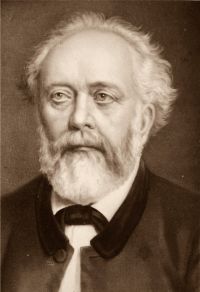
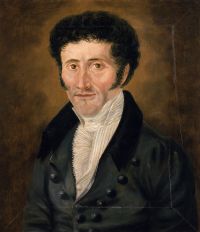
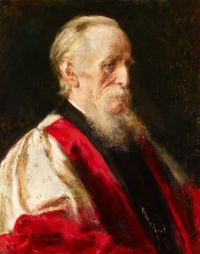
The concept of "Wolfgang" emerges as a multifaceted literary figure, examined by authors such as Clara Viebig, Franz Hoffmann, and E. Werner, who depict him as a character undergoing emotional, physical, and social evolution. In Viebig’s The Son of His Mother, Wolfgang embodies youthful vigor and self-reflection, his strength and restlessness revealing a conflict between adulthood and youth.
Hoffmann’s Mozart’s Youth places him within grand historical contexts, emphasizing his wonder at royal grandeur, while Werner’s The Alpine Fay portrays him as a listener sensitive to dangerous mysteries. These diverse interpretations highlight Wolfgang’s function as a symbol of human complexity, connecting the personal with the epic. The theme unites these narratives, presenting Wolfgang as a prism through which authors explore longing, selfhood, and the dynamic between personal will and external influences.
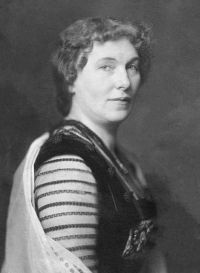 Clara Viebig,
The Son of His Mother
Clara Viebig,
The Son of His Mother