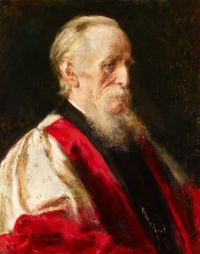
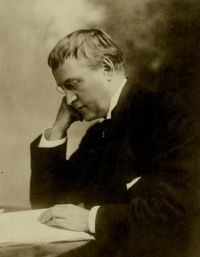
Herbert F. Peyser

Biographical details

Herbert F. Peyser Joseph Haydn: Servant and Master

In more ways than one the sumptuous palace of Eszterháza was the best possible home for Haydn’s art. Prince Eszterházy, great as were his demands on Haydn, did his art a service by allowing him to experiment and thus “forcing him to become original”. He would hardly have become “original” in the way he did had he been obliged to earn his bread wandering about Vienna, for he was differently constituted than, let us say, such an unmistakably Viennese soul as Schubert. Haydn’s early masters (let us rather say “models”) were not men of imposing creative dimension.
Source: Gutenberg

Herbert F. Peyser Wolfgang Amadeus Mozart

Luckily, the incorrigibly musical Czechs championed Mozart to the limit! With Die Entführung he had won them heart and soul, and by the time Figaro reached Prague, that city was on the way to becoming the true Mozart capital of Europe. From that moment nothing seemed greatly to matter but that opera. In the composer’s own words, people would listen to nothing else and talk of nothing else.
Source: Gutenberg

Herbert F. Peyser Mendelssohn and Certain Masterworks

Albert wrote in the book of words and sent to Mendelssohn a dedication: “To the Noble Artist who, surrounded by the Baal-worship of debased art, has been able by his genius and science to preserve faithfully, like another Elijah, the Worship of True Art, and once more to accustom our ears, amid the whirl of empty frivolous sounds, to the pure tones of sympathetic feeling and legitimate harmony: to the Great Master, who makes us conscious of the unity of his conception, through the whole maze of his creation, from the soft whispering to the mighty raging of the elements.
Source: Gutenberg

Get perspective with Kwize: daily news enlightened by great literature