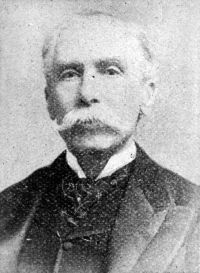
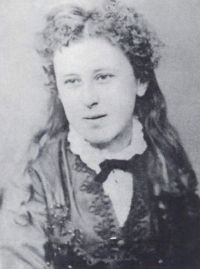
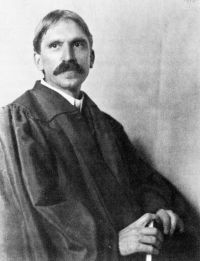
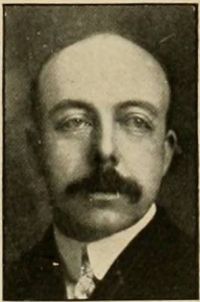
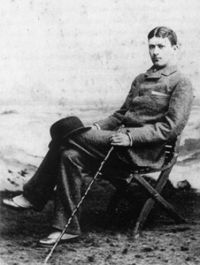
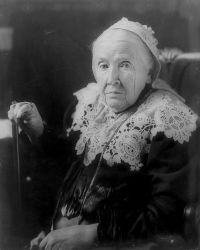
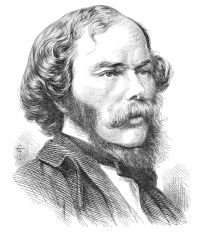
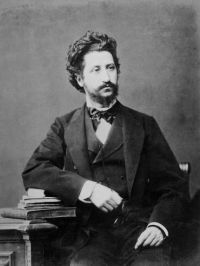
Originality, the quality that distinguishes creative works from mere copies or adaptations, has long been a cornerstone of artistic and intellectual discourse. Rooted in Romantic ideals yet debated for its limits, it embodies both legal standards and cultural values. Authors like Charles Gounod viewed it as a connection between individual and collective creativity, while Ralph Waldo Emerson highlighted its reliance on shared human genius.
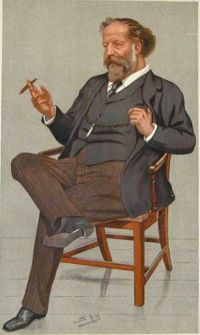
Alfred Austin pointed out its constraints, and Georg Wilhelm Friedrich Hegel examined its role in art’s unification of personal and universal characteristics. Legal systems, from U.S. copyright law to Indian jurisprudence, further clarify its meaning, balancing innovation with cultural context. Originality, thus, remains a dynamic interaction of novelty, tradition, and legal subtlety.
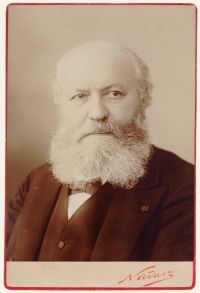 Charles Gounod,
Charles Gounod
Charles Gounod,
Charles Gounod