Engineer

Definition and stakes

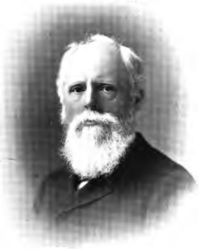
Portrait of Bradley A. Fiske Bradley A. Fiske,  The Navy as a Fighting Machine

“ The chief engineer of any electric plant, of any municipal water-works, of any railroad, of any steamship must have the most profound and intimate knowledge of the details of construction and the method of operation of the machine committed to his charge. Recognition of this fact by the engineering profession is so complete and perfect as to be almost unconscious; and no man whose reasoning faculties had been trained by the exact methods of engineering could forget it for a moment. ”
Source: Gutenberg

Charles M. Horton,  Opportunities in Engineering

“ The engineer, being as he is a man who views things objectively, notes details in everything that comes under his eye, be it dwelling or automobile, or bookbinding or highway. The layman does not. The layman, outside his work, sees only the thing itself, when looking at it—the general outline. But the engineer, trained to note details in construction, observes detail at a glance, and does it almost subconsciously, if not immediately after leaving school, then assuredly later, after he has been practicing his profession for a time. ”
Source: Gutenberg

Charles M. Horton,  Opportunities in Engineering

“ But laymen know nothing about engineering. Indeed, a source of common amusement among engineers is the peculiar fact that the average layman cannot differentiate between the man who runs a locomotive and the man who designs a locomotive. In ordinary parlance both are called engineers. Yet there is a difference between them—a difference as between day and night. For one merely operates the results of the creative genius of the other. This almost universal ignorance as to what constitutes an engineer serves to show to what broad extent the profession of engineering is isolated. ”
Source: Gutenberg

Get perspective with Kwize: daily news enlightened by great literature